The idea of attending a Python conference can feel intimidating. You might wonder if you know enough, if you’ll fit in, or if it’s worth your time and money. In this guide, you’ll learn about the different types of Python conferences, what they actually offer, who they’re for, and how attending one can support your learning, confidence, and connection to the wider Python community.
Prerequisites
This guide is for all Python users who want to grow their Python knowledge, get involved with the Python community, or explore new professional opportunities. Your level of experience with Python doesn’t matter, and neither does whether you use Python professionally or as a hobbyist—regularly or only from time to time. If you use Python, you’re a Python developer, and Python conferences are for Python developers!
Brett Cannon, a CPython core developer, once said:
I came for the language, but I stayed for the community. (Source)
If you want to experience this feeling firsthand, then this guide is for you.
Get Your PDF: Click here to download a PDF with practical tips to help you feel prepared for your first Python conference.
Understand What Python Conferences Actually Offer
Attending a Python conference offers several distinct benefits that generally fall into three categories:
-
Personal growth: Learn new concepts, tools, and best practices through talks, tutorials, and hands-on sessions that help you deepen your Python skills and build confidence.
-
Community involvement: Meet other Python users in person, connect with open-source contributors and maintainers, and experience the collaborative culture that defines the Python community.
-
Professional opportunities: Discover potential job openings, meet companies using Python across industries, and form professional connections that can lead to future projects or roles.
The following sections explore each category in more detail to help you recognize what matters most to you when choosing a Python conference.
Personal Growth
One of the biggest benefits of attending a Python conference is the opportunity for personal growth through active learning and engagement.
Python conferences are organized around a program of talks, tutorials, and collaborative sessions that expose you to new ideas, tools, and ways of thinking about Python. The number of program items can range from one at local meetups to over one hundred at larger conferences like PyCon US and EuroPython.
At larger events, you’re exposed to a wide breadth of topics to choose from, while at smaller events, you have fewer options but can usually attend all the sessions you’re interested in. Conference talks are an excellent opportunity to get exposed to new ideas, hear about new tools, or just listen to someone else talk about a topic you’re familiar with, which can be a very educational experience!
Most of these talks are later shared on YouTube, but attending in person allows you to participate in live Q&A sessions where speakers answer audience questions directly. You also have the chance to meet the speaker after the talk and ask follow-up questions that wouldn’t be possible when watching a recording.
Tutorials, on the other hand, are rarely recorded. They tend to be longer than talks and focus on hands-on coding, making them a brilliant way to gain practical, working knowledge of a Python feature or tool. Working through exercises with peers and asking questions in real time can help solidify your understanding of a topic.
Some conferences also include collaborative sprint events, where you get together with other attendees to contribute to open-source projects, typically with the guidance of the project maintainers themselves:
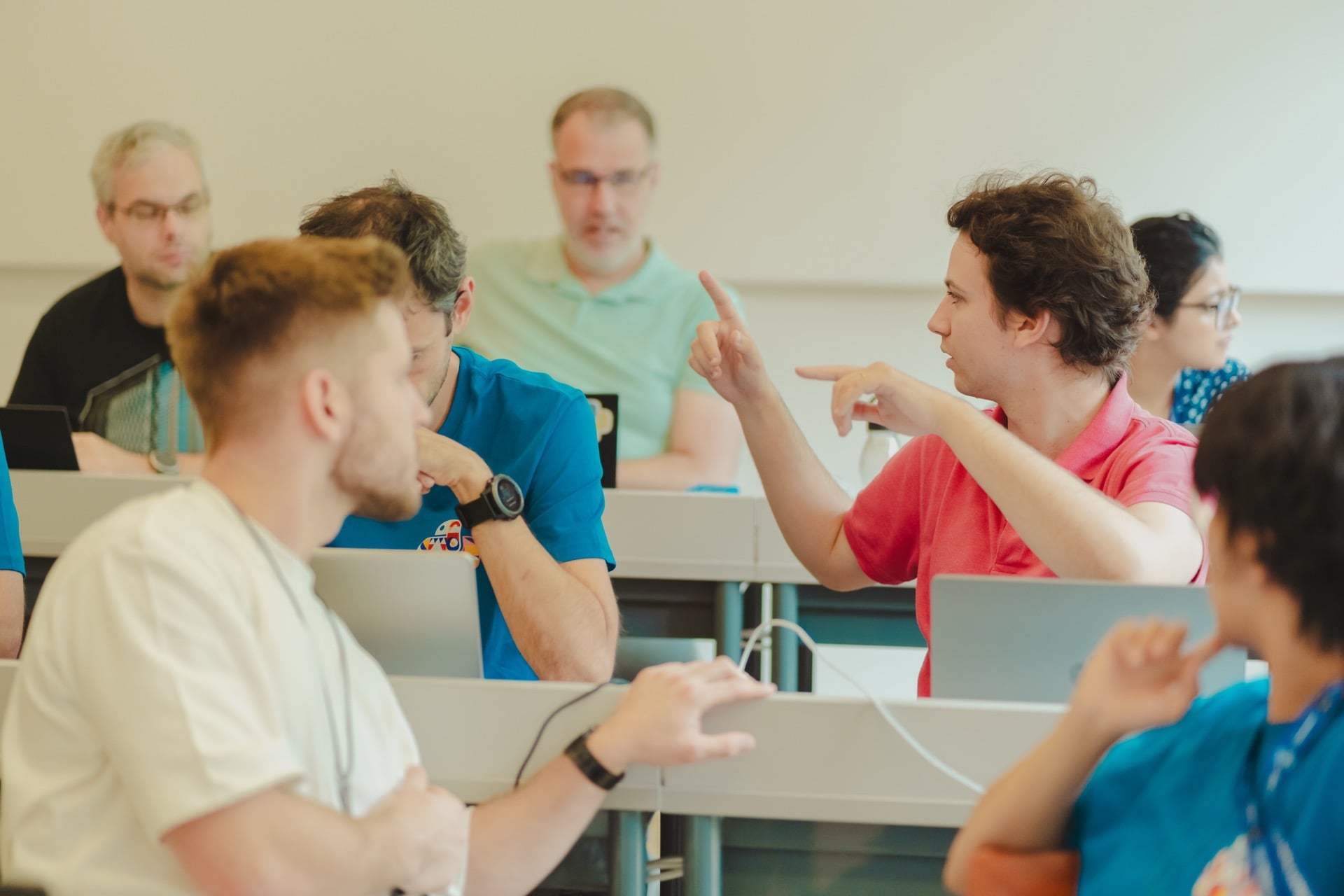
Participating in sprints under the mentorship of the project maintainers is a great way to boost your confidence in your skills and get some open-source contributions under your belt.
Community Involvement
Developers are used to collaborating on open-source projects with people around the world, but working together online isn’t the same as having a face-to-face conversation. Python conferences fill that gap by giving developers a dedicated space to meet and connect in person.